
Automation & Autonomy
Autonomous haulage, tele-remote loaders and automated drill rigs keep operators away from hazards and improve consistency.
Mining Technology
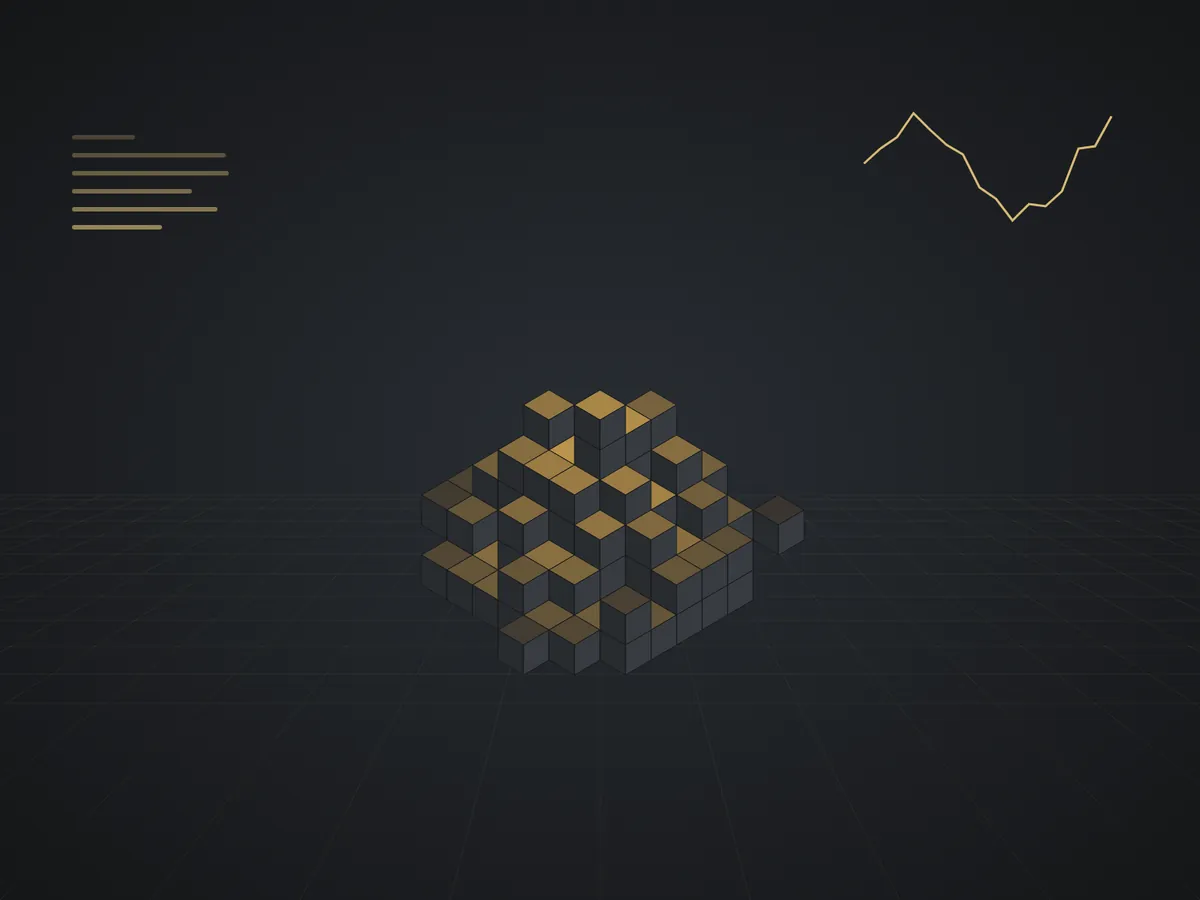
Automation, sensors, geological modeling and data analytics are changing how resources are discovered, planned, extracted and processed — with direct benefits for safety and sustainability.
The Digital Mine
Mining has always been an engineering industry, but the past decade has brought a step change. Machines now report their condition in real time, orebodies are modeled in three dimensions with growing precision, and some equipment can operate autonomously.
The aim is not technology for its own sake. Each innovation should do at least one of three things: remove people from hazardous areas, improve decisions through better information, or use energy, water and materials more efficiently.
Key Technology Areas
Autonomous haulage, tele-remote loaders and automated drill rigs keep operators away from hazards and improve consistency.
Implicit and geostatistical 3D models integrate drilling, mapping and geophysics to describe the orebody in detail.
Slope-stability radar, ground-movement sensors, water-level monitoring and air-quality sensing provide early warning.
Machine learning finds patterns in production, maintenance and processing data that humans can miss.
Virtual replicas of mines and plants allow teams to test plans and process changes before applying them.
Battery-electric equipment and renewable power can reduce emissions and improve underground air quality.
Geological Modeling
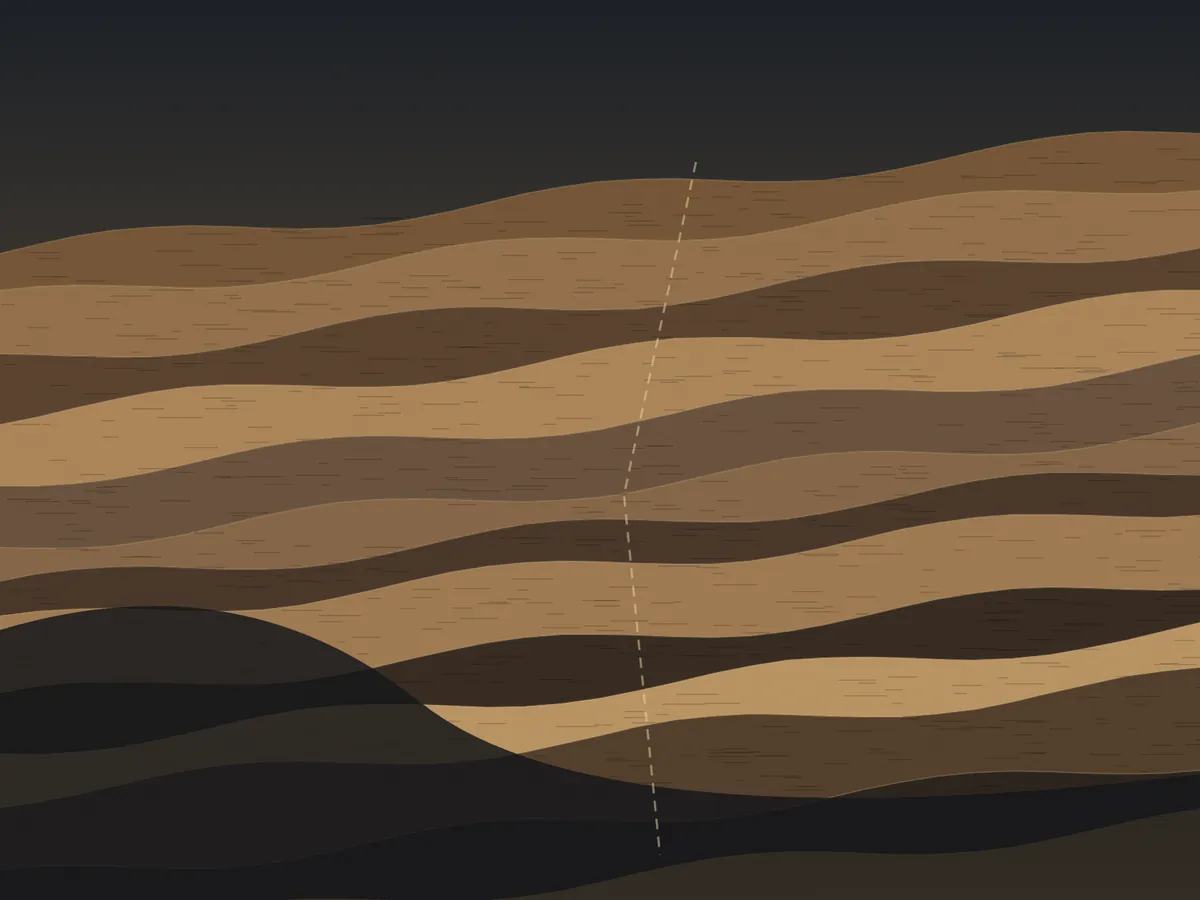
Geological models are the foundation of every mine plan. Modern software builds 3D surfaces and volumes directly from drill data, then estimates grade within each block using geostatistical methods such as kriging.
Because models are updated as new drilling and grade-control data arrive, they become more accurate over time. Reconciling predicted and actual production is the discipline that keeps a model honest.
Monitoring Systems
Radar, prisms and in-ground instruments track slope and ground movement to protect people and equipment.
Onboard sensors report engine health, payloads and cycle times, supporting predictive maintenance.
Continuous monitoring of dust, noise, water quality and flows supports compliance and community trust.
Underground tagging systems locate people during emergencies and support evacuation planning.
Data Analytics
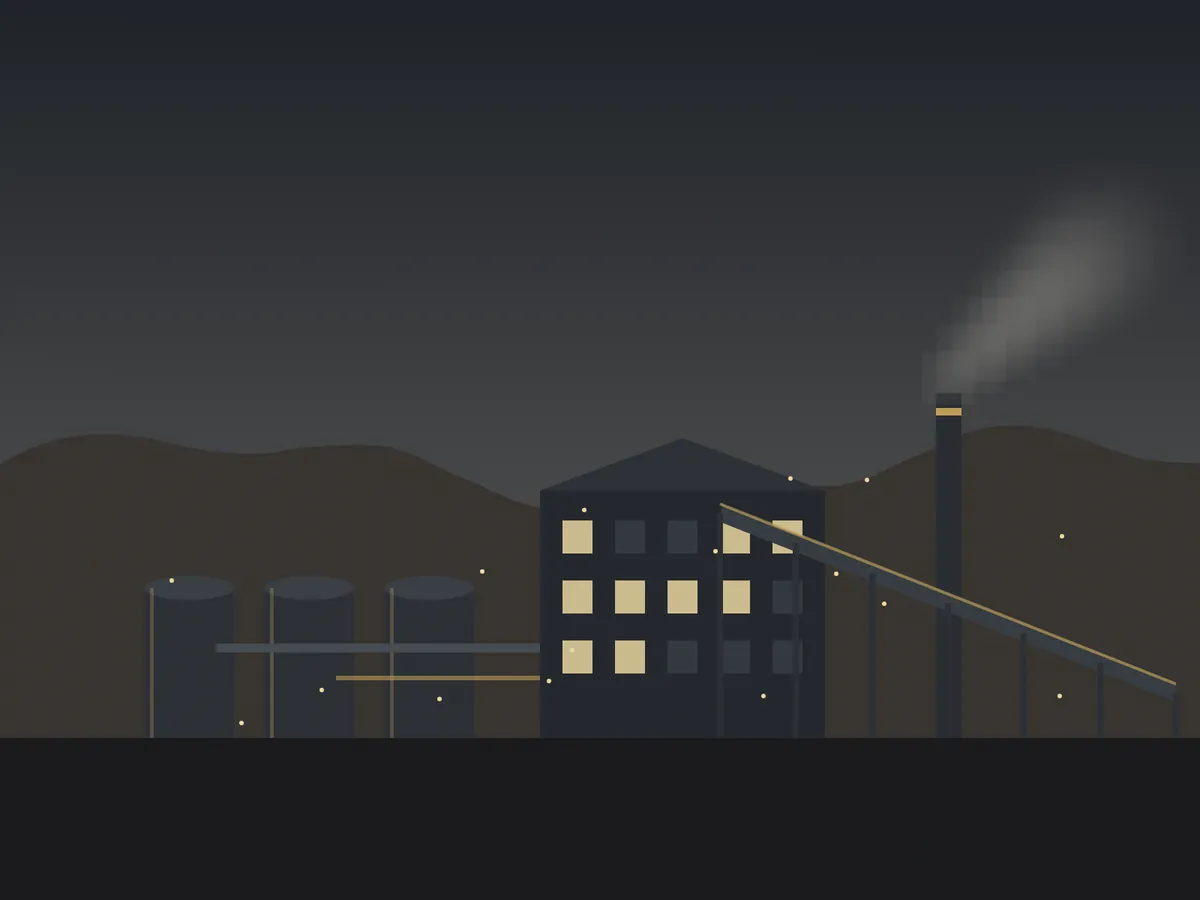
A modern mine generates enormous volumes of data — from drill rigs, trucks, mills, laboratories and environmental sensors. The value comes from connecting these sources so that decisions in one area reflect what is happening in another.
Integrated platforms link geology, mine planning, fleet management and plant control. Analytics can, for example, relate blast fragmentation to mill throughput, or predict component failures before they halt production.
Innovation
X-ray and optical sensors reject waste early, reducing the energy and water spent on processing barren rock.
Rapid, accurate surveys of pits, stockpiles and terrain without exposing surveyors to hazards.
Machine learning helps integrate geological datasets to rank exploration targets.
Filtering tailings to a lower moisture content can improve water recovery and storage stability.
Find out how safety culture and environmental management benefit from the same innovation.